
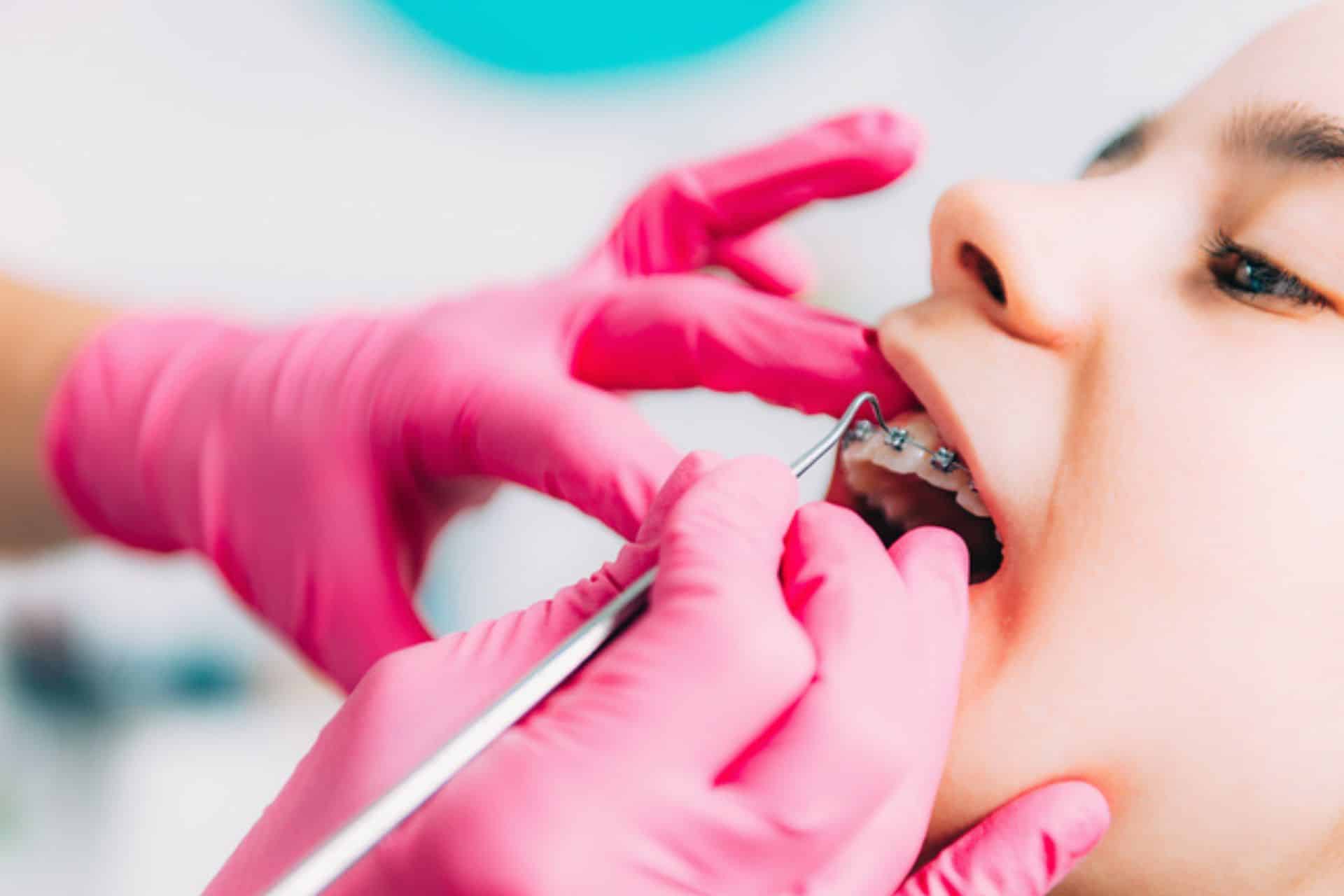
Braces pain in the first week: what to expect
For the first 1 to 3 days after braces are placed or adjusted, you may feel pressure or tenderness as teeth begin to move. Cheeks and lips can also feel a little irritated as they get used to the brackets. This feeling usually fades quickly as your mouth adapts.
How long does orthodontic discomfort last?
Most patients notice the strongest feelings in the first 24 to 48 hours, then steady improvement. By the end of the first week, everyday chewing and speaking feel much more normal. If anything seems to get worse instead of better, let us know so we can help.
What can I do at home to feel better?
Simple steps you can take at home to feel better:
- Eat soft foods for a day or two.
- Sip cool water.
- Use orthodontic wax on any bracket or wire that is causing irritation or rubbing.
- Keep teeth clean with gentle brushing and a fluoride toothpaste.
- Use over-the-counter pain relief, if approved by your physician or parent.
Does Invisalign cause discomfort too?
Clear aligners move teeth with gentle, steady force. When you switch to a new set, you may feel light pressure for a day or two. Most people describe it as tightness rather than pain. Because aligners are smooth, they rarely irritate cheeks or lips.
What to expect at follow up visits
Adjustment and checkup visits are quick and focused. We make small changes to keep teeth moving on schedule, answer questions, and check hygiene. You may feel pressure again for a short time after these visits, which is a sign that teeth are responding.
When should I call for help?
Reach out if you have a loose bracket, a poking wire, a lost aligner, sores that do not improve, or pain that keeps you from eating or sleeping. We will guide you on quick fixes at home and schedule a visit if needed.
Comfort timeline and easy relief tips
Timeframe | What you might feel | Simple tips that help |
First day | Pressure on teeth, tender cheeks | Soft foods like yogurt or pasta. Cool water. Wax on rubbing spots. |
Days 2 to 3 | Mild soreness while chewing | Cut food into small bites. Warm saltwater rinse. Gentle brushing. |
Days 4 to 7 | Adapting to brackets or a new aligner | Return to normal meals as you feel ready. Keep aligners 20 to 22 hours a day. |
After adjustments | Short periods of tightness | Same comfort steps as above. Most feelings fade within a couple of days. |
What to expect with different treatment options
We offer metal braces for reliable tooth movement and Invisalign clear aligners for a nearly invisible option. Kids may benefit from early orthodontic treatment to guide growth. Adults can choose braces or aligners to correct crowding, gaps, or bite issues at any age. If something breaks, our team provides guidance for orthodontic emergencies and will see you as soon as possible.
How good hygiene reduces discomfort
Clean teeth and healthy gums make treatment smoother. Brush after meals, floss daily, and follow our instructions for aligner and retainer care. Good hygiene lowers the risk of sore spots, swollen gums, and delays.
Overview
- Mild braces pain and orthodontic discomfort are common in the first few days.
- Pressure means teeth are moving as planned.
- Simple home care and wax usually solve rubbing or tenderness.
- Invisalign can feel snug for a day or two after each tray change.
- Call us if you have a loose bracket, poking wire, or pain that does not improve.
Ready to feel confident about your smile? Contact our Hanover, Lutherville-Timonium, or Westminster office to schedule a free new patient exam and get a custom plan that fits you.