
At David Ross Orthodontics, Dr. David Ross and his team focus on helping every patient achieve their best smile, no matter their starting point. With personalized care and advanced orthodontic technology, Dr. Ross ensures that your treatment is safe, effective, and tailored to your unique dental needs.
What Is Invisalign and How Does It Work in Hanover PA?
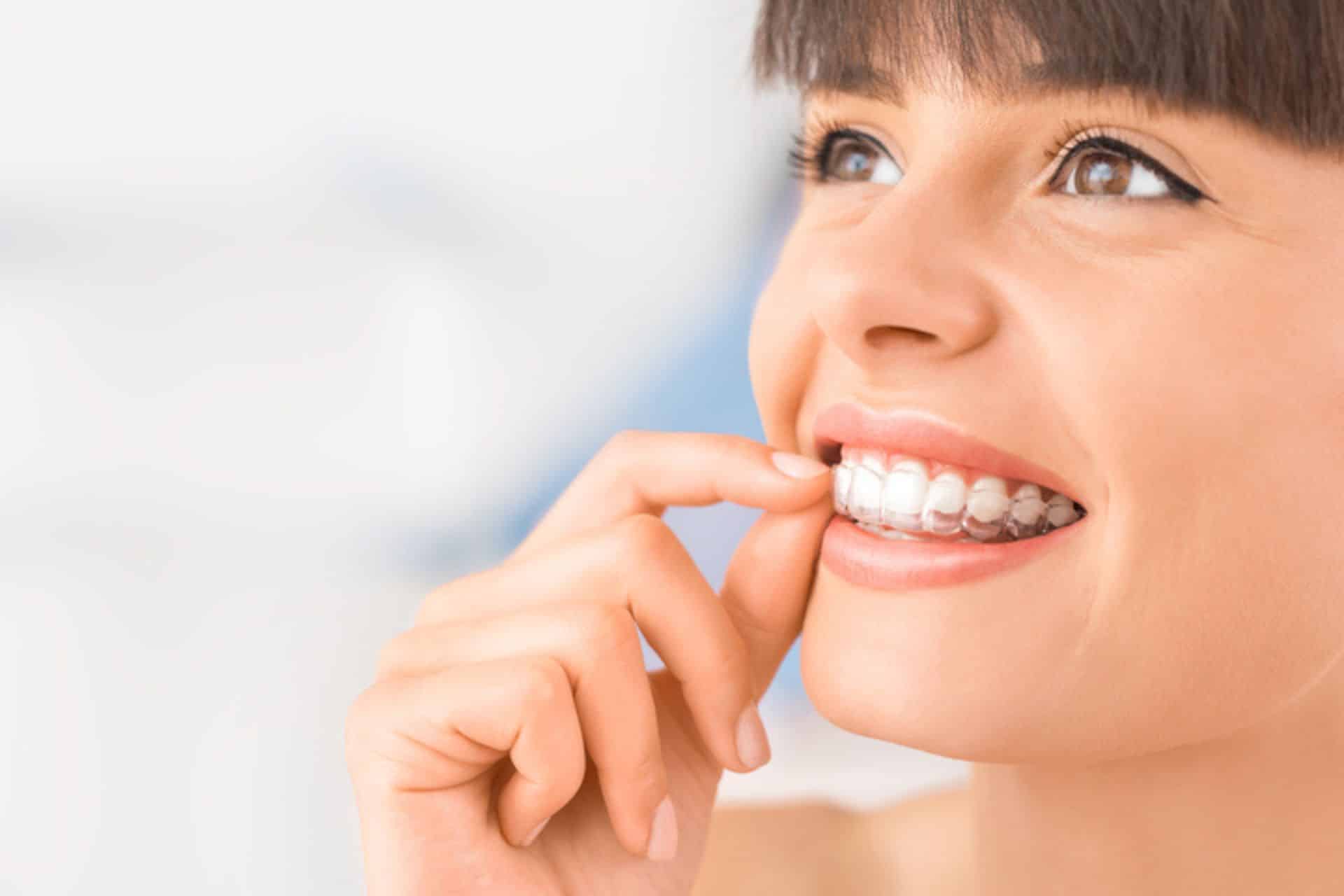
Invisalign is a modern alternative to metal braces. Instead of brackets and wires, the Invisalign clear aligners gently move your teeth into place. The Invisalign are custom made for your smile, nearly invisible, and removable.
Can You Start Invisalign Treatment if You Have Cavities in Lutherville MD?
It’s best to treat any cavities before beginning Invisalign. Cavities are areas of tooth decay that weaken enamel. Since Invisalign aligners fit snugly over your teeth, untreated cavities could get worse if trapped bacteria are left untreated.
Your orthodontist or dentist will typically fill any cavities before taking impressions or scans for your Invisalign. Once your teeth are healthy and cavity-free, Invisalign can safely begin.
What if You Already Have Crowns or Fillings? Can You Still Get Invisalign in Westminster MD?
Yes, most people with crowns or fillings can still get Invisalign! The key is that your restorations are stable and well-bonded. Since Invisalign is made from digital scans, your orthodontist can design them to fit comfortably around your existing dental work.
Invisalign can move both natural teeth and crowned teeth as long as the crown is securely attached. The Invisalign clear aligners apply gentle pressure on the entire tooth, not just the crown itself.
Does Invisalign Affect Crown or Filling Material in Hanover PA?
Nope! Invisalign aligners are made from smooth, medical-grade plastic. They won’t damage crowns, veneers, or fillings. However, it’s important to maintain good oral hygiene. As trapped food or bacteria can still cause decay around the edges of restorations if not cleaned properly.
Are You More Likely to Get Cavities with Invisalign in Lutherville MD?
Wearing Invisalign doesn’t cause cavities, but they can trap food or bacteria if you don’t brush and floss regularly. Since you’ll be wearing Invisalign most of the day, your teeth need to be extra clean before putting them back in after meals.
Here’s how to avoid dental issues during treatment:
- Brush after every meal before reinserting your Invisalign
- Floss daily
- Clean your Invisalign with mild soap and warm water (not hot!)
- Avoid sugary snacks and drinks that can sit under the aligners
What If You Need a New Crown During Invisalign Treatment in Westminster MD?
If you need a crown during treatment, your orthodontist will rescan your teeth to adjust your Invisalign. Since Invisalign treatment uses digital modeling, it’s easy to make updates. Your new Invisalign will fit perfectly once the crown is in place.
Invisalign vs. Traditional Braces with Crowns and Cavities in Hanover PA
Factor | Invisalign | Traditional Braces |
Comfort | Smooth,removable aligners | Metal brackets and wires can irritate |
Aesthetics | Nearly invisible | Visible metal braces |
Dental Hygiene | Easier to brush and floss | Harder to clean around brackets |
Suitable with Crowns | Yes, with adjustments | May require special bonding |
Cavities Risk | Lower with proper hygiene | Slightly higher due to trapped food |
Tips for a Healthy Smile During Invisalign Treatment in Lutherville MD
- Stay consistent with oral hygiene. Brush after eating, floss daily, and use fluoride mouthwash.
- Avoid sugary or acidic drinks when wearing aligners.
- Visit your dentist regularly to check for cavities or loose crowns.
- Clean your aligners using clear antibacterial soap or Invisalign cleaning crystals.
- Follow your orthodontist’s instructions for wear time (usually 20–22 hours daily).
Common Questions About Invisalign and Dental Work
Can Invisalign fix gaps even if I have a crown?
Yes! As long as the crown is stable, Invisalign can gently move teeth and close gaps.
Is Invisalign safe for sensitive teeth?
Absolutely. The gradual pressure is gentle, and most patients experience only mild discomfort at first.
Your Path to a Healthy, Straight Smile
Having cavities or crowns does not mean Invisalign is off-limits. It simply means your orthodontist will take a little extra care when planning your treatment. By treating cavities first and making sure crowns are secure, Invisalign can still help you achieve the straight, beautiful smile you have been dreaming of.
At David Ross Orthodontics, the team specializes in making every patient’s smile journey comfortable, confident, and completely worth it.
Ready to learn if Invisalign is right for you? Schedule your consultation with David Ross Orthodontics today and take the first step toward a healthier, more confident smile.
Quick Recap
- Cavities: Must be treated before starting Invisalign.
- Crowns and Fillings: Invisalign usually works fine with them.
- Hygiene: Keep your teeth and aligners clean to prevent new cavities.
- Attachments: Can be placed around crowns with special adjustments.
- Checkups: Regular dental visits help ensure your treatment stays on track.