
What Surprises Invisalign Patients in Hanover, PA?
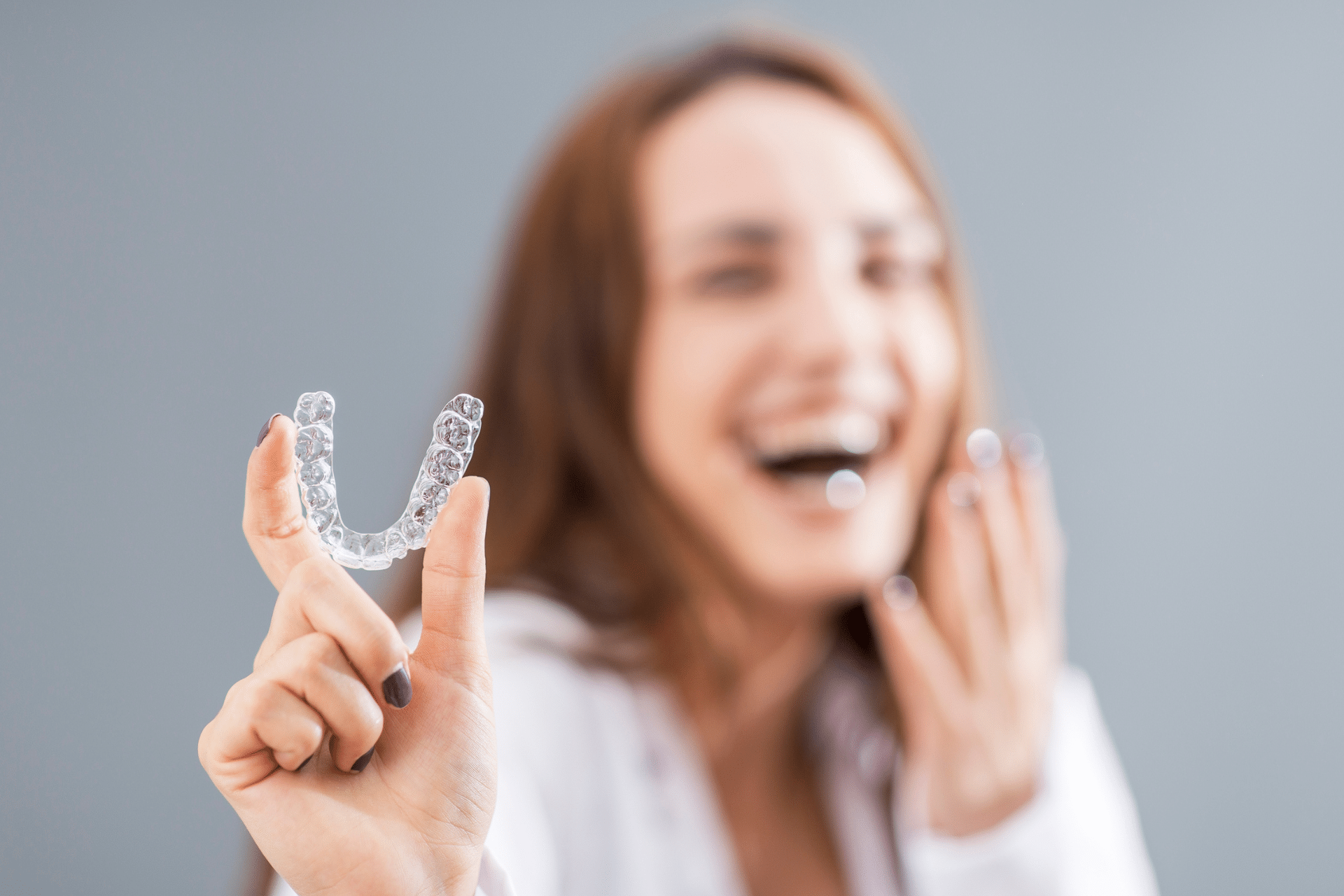
At David Ross Orthodontics, Dr. David Ross helps patients understand Invisalign as both a smile treatment and a daily responsibility. Before starting, patients can ask what the process feels like, how often trays need to be worn, and which habits can help their smile stay on track.
What Should You Know Before Invisalign Begins?
Invisalign uses a series of custom clear aligners to guide teeth in small steps. Each set is worn for a planned amount of time before you move to the next set. Because the trays are removable, eating, brushing, and flossing can be simpler than with braces.
The main surprise is that removable does not mean flexible all day. Aligners only move teeth when they are in your mouth. If they are out too often, teeth may not track correctly, and the overall timeline can change.
Invisalign can help with crowding, spacing, and some bite concerns. However, it still needs a clear plan, regular check-ins, and good daily habits to work as expected.
Why Does Wear Time Affect Invisalign So Much?
Daily tray wear is often the biggest adjustment because it shapes the entire day. Most patients need to wear aligners about 20 to 22 hours per day, or as directed by their orthodontist.
The American Association of Orthodontists explains how clear aligner therapy depends on steady daily wear to move teeth as planned. That means every meal, snack, and drink break counts.
Small breaks can add up faster than many patients expect. A long lunch, coffee without aligners, an afternoon snack, and late brushing before bed can reduce tray time more than expected. Invisalign works best when trays are treated as part of the day, not something used only when convenient.
What Daily Habits Change With Invisalign?
Eating habits often change first. Since trays should come out for meals and snacks, grazing throughout the day becomes less convenient. Many patients shift toward fewer snacks and more planned meals.
Drinks also take more planning. Water is the safest choice with aligners in. Coffee, tea, soda, sports drinks, and juice can stain trays or hold sugar and acid against the teeth. If you have a busy schedule in Hanover, PA and surrounding communities, it helps to plan when you will remove aligners and brush before putting them back.
Cleaning becomes important throughout the day. Brushing after meals and flossing daily help keep food and bacteria from getting trapped under the trays. This helps protect the teeth while they are covered for long periods.
Attachments and aligner cases are also part of the process. Attachments are small tooth-colored shapes placed on certain teeth to help aligners grip and guide movement. They may make Invisalign slightly more noticeable, but they often help the trays work more precisely.
Clear trays are easy to misplace. The safest habit is to place them in their case every time they come out. Leaving them on a napkin, lunch tray, or table can lead to lost aligners and possible delays.
What Surprises Patients During the First Week?
The first week often feels like the biggest learning curve. Patients may notice pressure, mild soreness, extra saliva, dry mouth, or small changes in speech. These issues usually improve as the mouth adjusts.
Removing aligners can also feel awkward at first, especially if attachments are in place. With practice, taking trays out and putting them back in becomes faster and more natural.
Tray changes can bring another surprise. A new aligner may feel tight for the first day or two because it is designed to move teeth a little farther. Some patients prefer changing trays at night so the first hours of pressure happen while they sleep.
Mild tightness is common, but sharp pain, a broken aligner, or a tray that will not seat properly should be checked by the orthodontic team.
Ready to Start Invisalign in Hanover, PA?
If you are thinking about Invisalign, the next step is to find out whether clear aligners are the right fit for your teeth, bite, goals, and daily life. A consultation can help you understand how the process may work, how long it may take, and what habits will support your results.
This is also the right time to ask about attachments, tray changes, retainers, and what to do if an aligner feels off or gets lost. Knowing these details early can make clear aligner care easier to manage.
David Ross Orthodontics can help you compare Invisalign with other orthodontic options and decide what makes sense for your smile. Schedule a consultation with Dr. Ross to find out if Invisalign is right for your smile.