
At David Ross Orthodontics, Dr. David Ross helps families in Lutherville-Timonium, MD and surrounding communities understand what is causing a teen’s underbite and which treatment may be appropriate. An exam can show how the teeth, bite, and remaining growth may affect the treatment plan.
What Is a Teen Underbite?
An underbite happens when the lower front teeth sit in front of the upper front teeth when the mouth is closed. Some underbites are easy to notice. Others become clear when an orthodontist checks the full bite.
An underbite can involve the teeth, the jaws, or both. A dental underbite is mainly caused by tooth position. A skeletal underbite is more closely related to the size or position of the upper jaw, lower jaw, or both.
The American Association of Orthodontists explains more about underbite causes and treatment, including how this type of bite can affect chewing and tooth wear.
Knowing the cause helps guide treatment. Moving the teeth may correct a dental underbite. A bite that is more closely tied to jaw growth or position may need a different approach.
When Can Braces Be Used for a Teen Underbite?
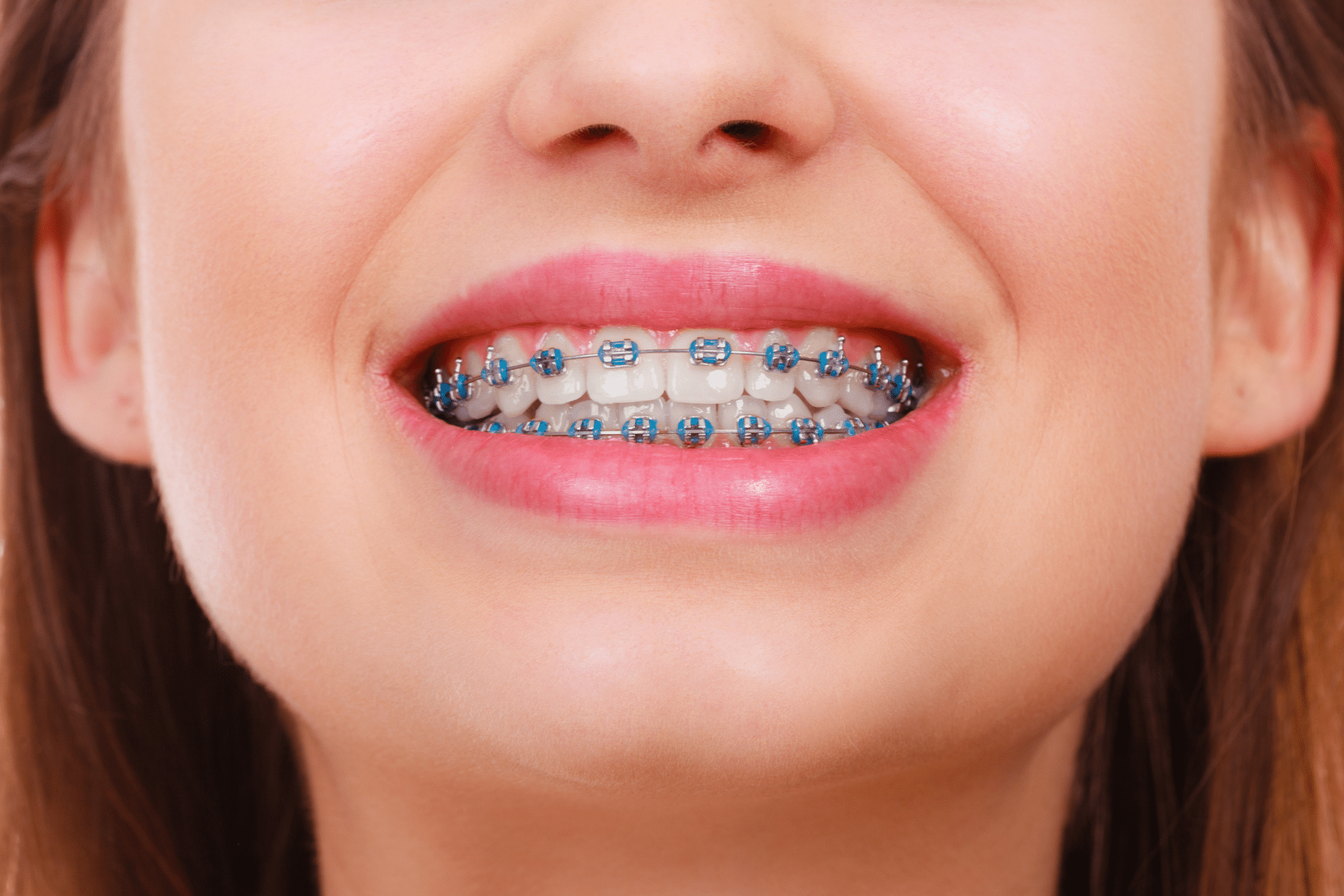
Braces can be used when moving the teeth will improve how the bite comes together. They can address crowding, spacing, and tooth positions that contribute to an underbite.
Some teens may also wear elastics with braces. Elastics add force between the upper and lower teeth to help guide the bite during treatment. An orthodontic appliance may also be used when the bite needs a different type of correction.
Braces give the orthodontist detailed control over individual teeth. This can be useful when several teeth need to move or the bite needs careful adjustment.
The right approach depends on the type of underbite and the correction needed. It should be based on the teen’s bite rather than only on how noticeable the underbite looks.
Why Does Timing Matter During the Teen Years?
Timing matters because jaw growth can continue during the teen years. Remaining growth can affect which treatment choices are available and when care should begin.
Some teens may benefit from treatment while growth is still taking place. Others may be monitored until a different stage of development. The timing depends on the bite and how the teeth and jaws are developing.
An underbite does not need to cause pain before it should be checked. Trouble biting into foods, uneven tooth wear, lower teeth that sit ahead of the upper teeth, or a jaw that shifts when closing are all reasons to consider an orthodontic assessment.
Can Braces Alone Fix Every Teen Underbite?
No. Braces alone cannot correct every teen underbite. They may provide the needed correction when tooth position is the main concern. A larger difference in jaw position may require other treatment along with orthodontic care.
This is why two teens with similar-looking underbites may receive different recommendations. The severity of the bite, remaining growth, tooth alignment, and jaw relationship can all affect the plan.
Clear aligners may also be an option for some teens. David Ross Orthodontics offers Invisalign, which can treat some underbites. Whether braces, Invisalign, or another approach is appropriate depends on the bite and the tooth movements needed.
What Happens During an Underbite Evaluation?
An underbite evaluation looks at how the teeth and jaws work together. The orthodontist checks tooth alignment, jaw position, how the bite closes, and any signs of uneven wear or shifting.
X-rays or digital scans may be taken when needed. These records can give the orthodontist a clearer view of the teeth, jaws, and bite and help with treatment planning.
Parents can also ask about timing, treatment choices, and what to expect next. Treatment does not always need to start right away. The visit gives your family clear information about the bite and the next step.
Ready to Improve Your Teen’s Bite and Smile?
If your teen has an underbite or another concern with how their teeth fit together, an orthodontic consultation can help identify the problem and explain the available treatment options.
Schedule a consultation with David Ross Orthodontics in Lutherville-Timonium, MD. Dr. Ross can assess your teen’s smile and bite, answer your questions, and recommend a treatment plan based on their needs.