
At David Ross Orthodontics, Dr. David Ross is a Diplomate of the American Board of Orthodontics. He treats children, teens, and adults with bite and alignment concerns. Some people notice an overbite because of how their smile looks. Others first notice uneven tooth contact, sensitivity, or irritation inside the mouth.
How Much Overlap Between the Front Teeth Is Normal?
Some overlap between the upper and lower front teeth is normal. An overbite becomes more concerning when the overlap is too deep and starts to affect tooth contact or daily function.
A deep overbite is not always obvious. The upper front teeth may cover much of the lower front teeth. In some cases, the lower teeth can touch the backs of the upper teeth or the gum tissue behind them.
An orthodontist looks at more than the amount of overlap. Tooth position, jaw relationships, crowding, spacing, wear patterns, and overall bite alignment can all help show whether treatment is needed.
What Signs May Mean an Overbite Needs Treatment?
An overbite may need treatment when it causes damage, discomfort, or trouble with normal function. Heavy contact between the front teeth can slowly wear enamel. This can lead to sensitivity, shorter tooth edges, or small chips.
You may also notice that biting into food feels awkward or that some teeth touch before others. In a deep bite, the lower front teeth can press against the gum tissue behind the upper teeth. Some people also have jaw fatigue or discomfort, though these symptoms can have other causes.
The American Association of Orthodontists explains that a deep bite can lead to tooth damage, gum problems, and trouble chewing. These signs can show when orthodontic care may be helpful.
Crowding can make cleaning harder because overlapping teeth may be harder to brush and floss well. Repeated contact with gum tissue can also cause soreness. Not every overbite causes these problems, but changes in comfort, tooth condition, or function are good reasons to have the bite checked.
How Does an Orthodontist Decide Whether Treatment Is Needed?
The decision is based on more than appearance. During an orthodontic consultation, the orthodontist checks how the upper and lower teeth come together. The exam also looks at the amount of overlap and whether the bite is causing wear, crowding, or tissue contact.
When needed, photographs, X-rays, and digital scans give a closer look at tooth positions and jaw relationships. These records can help show whether the overbite is mainly caused by tooth position, jaw relationships, or both.
Age also matters. In children and teens, the orthodontist can consider jaw and tooth growth. An early exam does not always mean treatment should start right away. In some cases, it is better to watch growth and begin treatment later.
Adults can also have overbites corrected. Since jaw growth is complete, the treatment plan may differ from the plan used for a growing child or teen.
What Treatment Options Can Correct an Overbite?
Treatment depends on the cause and severity of the overbite. Braces can move teeth and improve bite alignment. Rubber bands may also be used with braces in some cases to help guide the teeth into a better position.
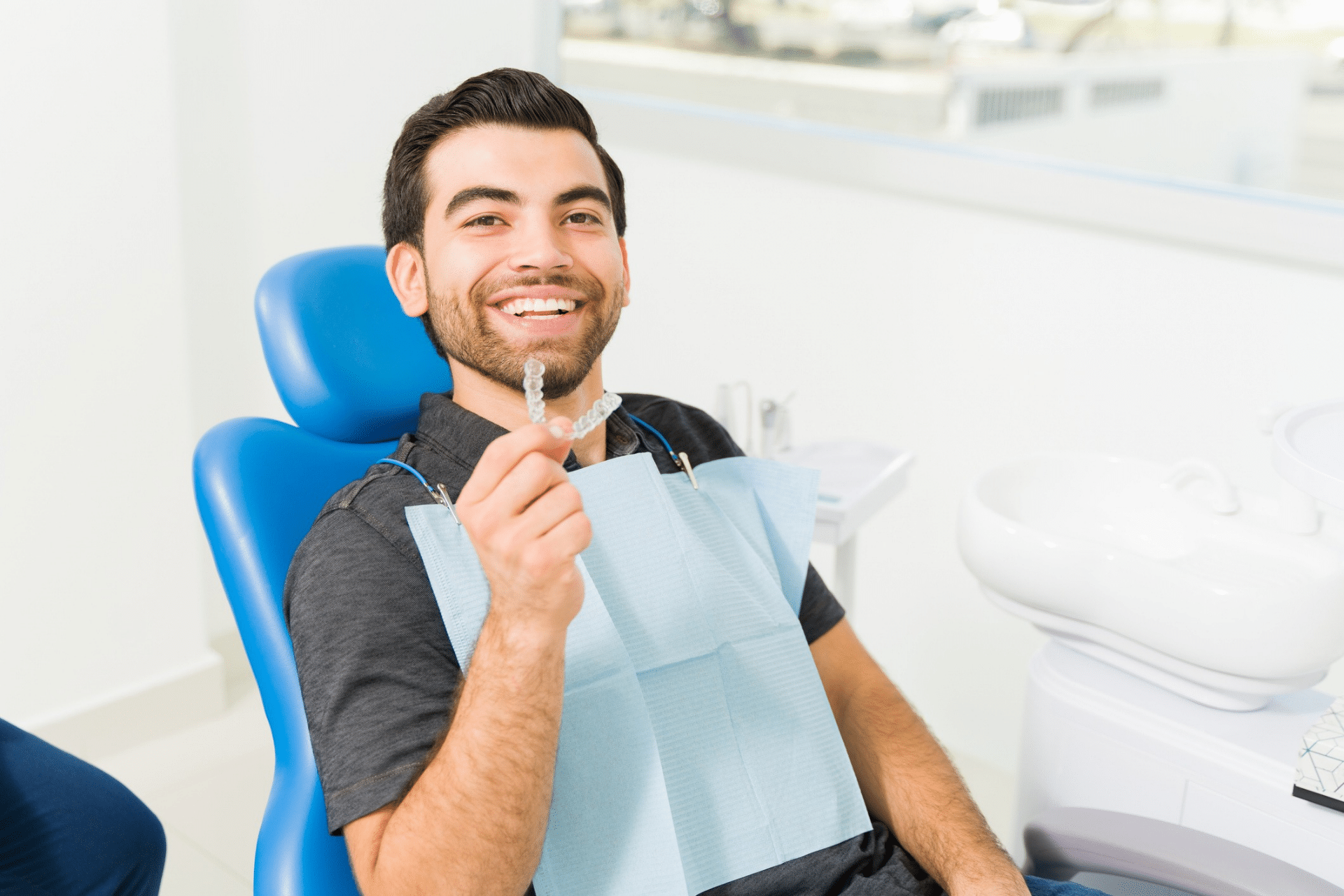
Invisalign clear aligners can also correct many overbites. The right option depends on the bite pattern, the tooth movements needed, and the treatment goals.
For children who are still growing, timing can play an important role. Some children benefit from treatment during growth. Others can be monitored until a later stage. Adults with larger jaw differences may need a different plan than patients whose overbite is mainly caused by tooth position.
The goal is not only to make the front teeth look straighter. Treatment should also help the teeth work together and protect them from extra wear.
Ready to Find Out Whether Your Overbite Needs Treatment?
An overbite does not have to become painful before it should be checked. Too much overlap, uneven biting, gum irritation, sensitivity, or changes in tooth contact can all be reasons to have your bite evaluated.
At David Ross Orthodontics in Westminster, MD, Dr. Ross can check the cause and severity of your overbite. He can then explain whether braces, Invisalign, monitoring, or another approach fits your needs. Schedule a consultation to learn more about your bite and treatment options.